
Plainsight Academy: Fast-Tracking Careers from BI to AI
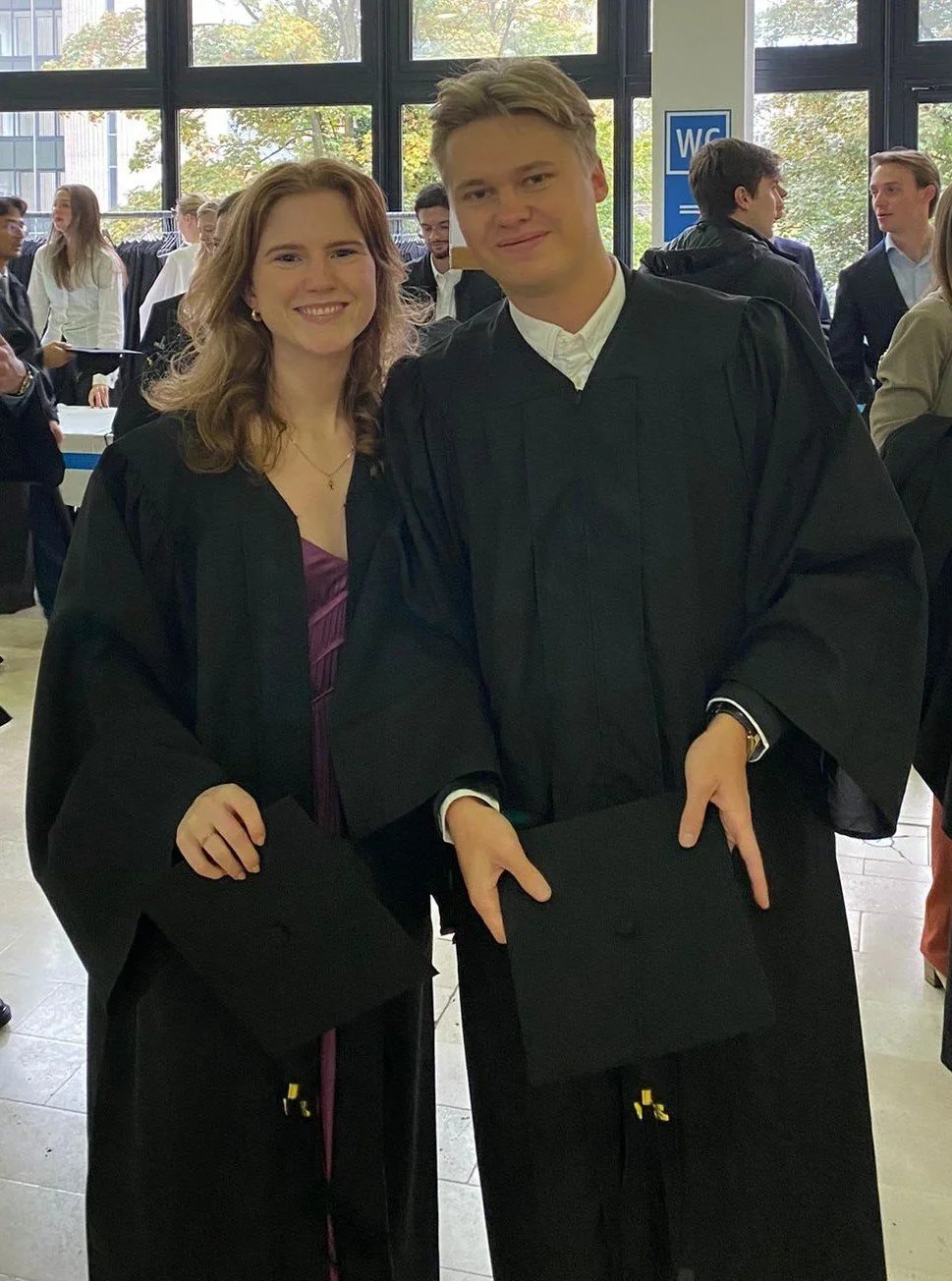
We joined Plainsight straight out of our Business Engineering Data Analytics degree, and our first month was the Plainsight Academy: an intensive training that bridges the gap between what university teaches and what the job asks. The program covered a lot of ground, from Power BI and SQL to Databricks, Azure Data Platforms, Generative AI, and CI/CD with Git.
The academy builds technical skills, but it also pushes you to think from the customer's side and prepares you for real-world challenges. In this post, we share what the month looked like and what we took from it.
The Academy: A Detailed Overview
The academy gave us a wide set of skills we now use every day. It began with Power BI, where we learned to create reports and visualizations that turn raw data into dashboards people can act on. Alongside Power BI came data modeling: structuring and managing datasets so they can support complex business queries.
SQL - Databricks
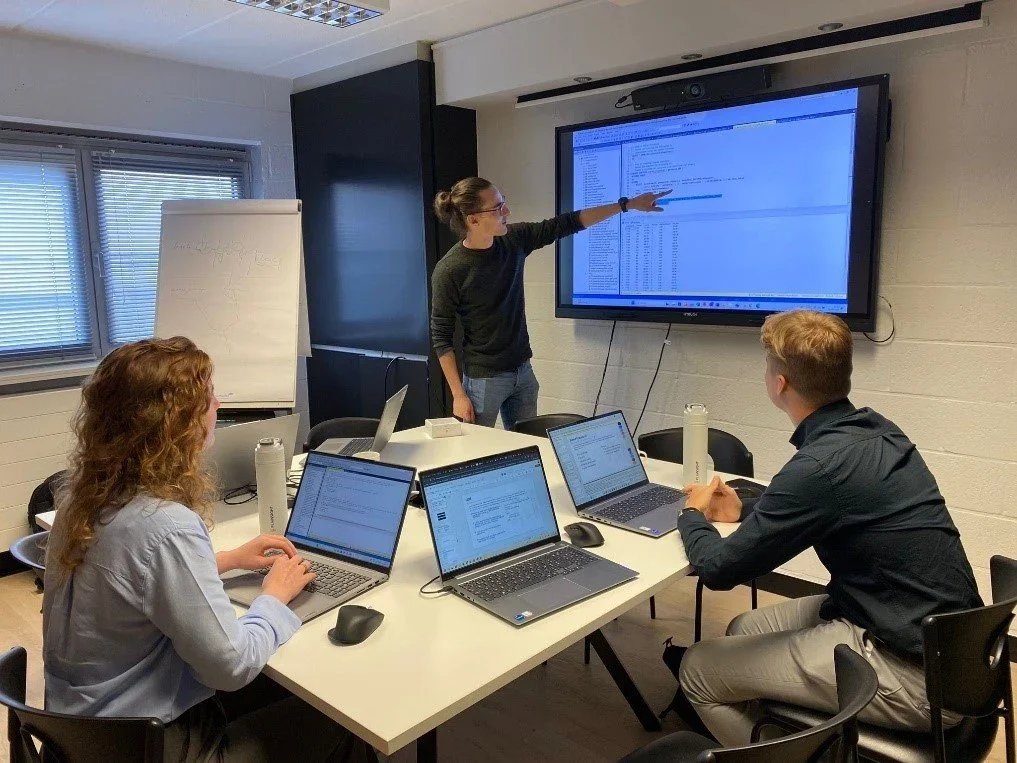
From there: SQL, starting with the basics and working up to advanced querying. These sessions taught us to extract, manipulate and analyze data efficiently, a skill we'd need in every business environment after. Then came Databricks and data warehousing, a deeper look at large-scale data processing. We worked on managing data storage solutions and automating data pipelines so data keeps flowing through an organization. Those sessions were as much strategic as technical: they showed how scalable data solutions keep performance and resource use in check, especially with large datasets.
Python, PySpark-skills & Azure Data Platforms
Next we sharpened our Python and PySpark skills, two indispensable tools for big data. Python let us automate tasks and develop algorithms; PySpark let us handle large datasets with speed and precision.
As the academy progressed, the focus shifted to the cloud, with workshops on Azure Data Platforms. These sessions showed how cloud technologies allow businesses to create scalable and reliable architectures for data integration and analysis. We looked at batch and real-time data processing, orchestrating data workflows and managing secure data storage: the parts you need for a resilient, future-proof data infrastructure.
Fabric, CI/CD and Generative AI
Microsoft Fabric added another layer: managing data warehouses and running data science experiments. Working through different scenarios and workflows showed us where data engineering and data science meet. Coupled with this was training in CI/CD using Git, and how those practices fit agile ways of working: iterative development, continuous feedback, adapting to change quickly.
And then there was Generative AI. We explored how AI can generate new data and models, and what that opens up for predictive analytics and creative problem-solving. We now feel able to recognize potential AI use cases for clients, while understanding the costs and specifics that come with implementing them.
The hands-on nature of the academy made every topic feel immediately relevant. Each workshop gave us practical experience that anchored the lessons in real-world applications.
The Capstone: Workation and Final Presentation
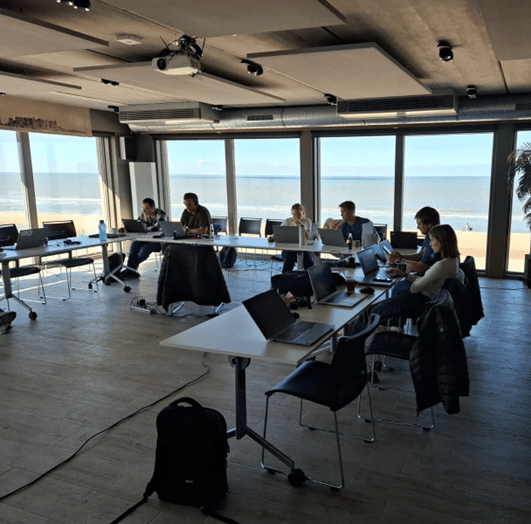
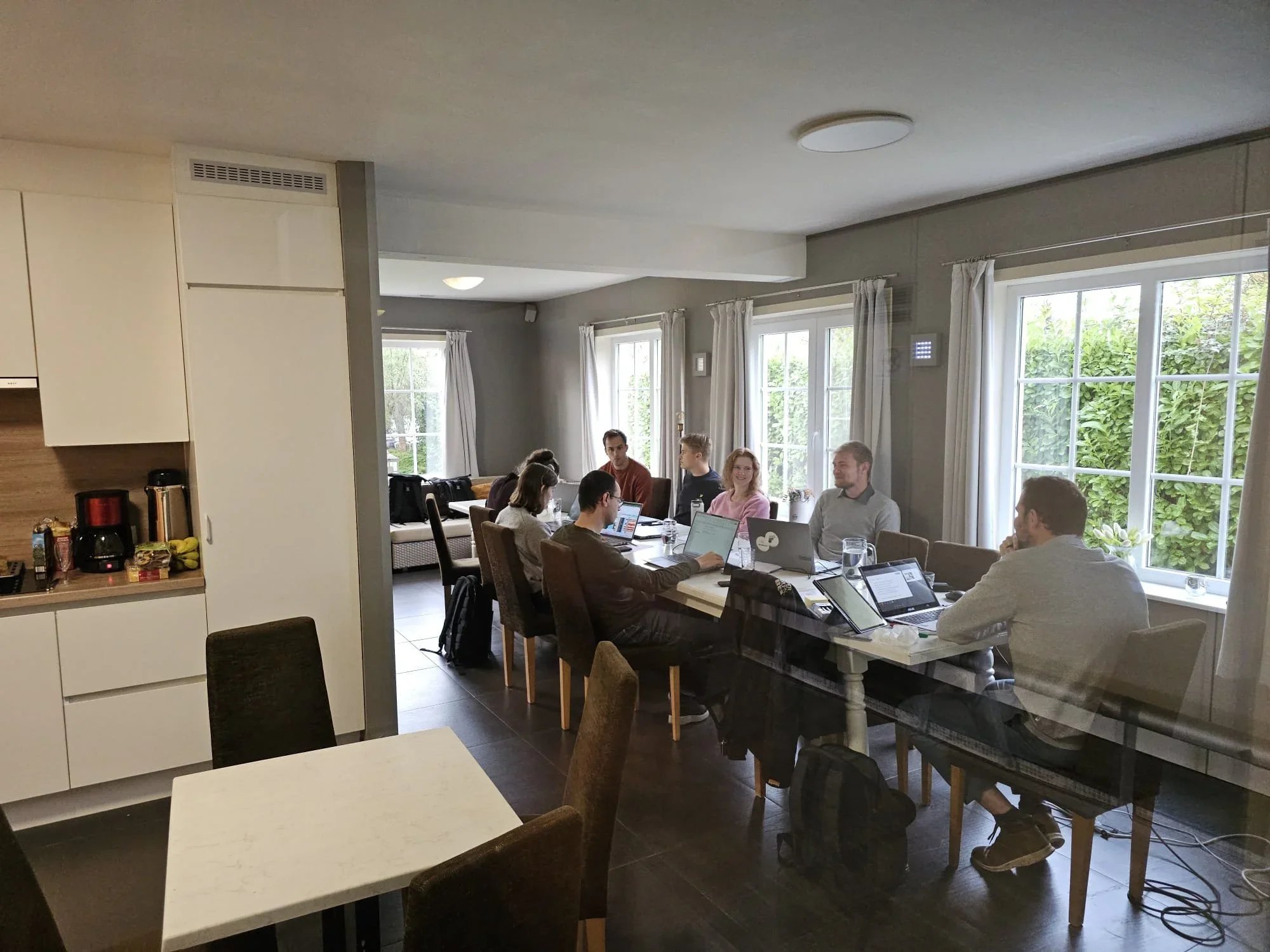
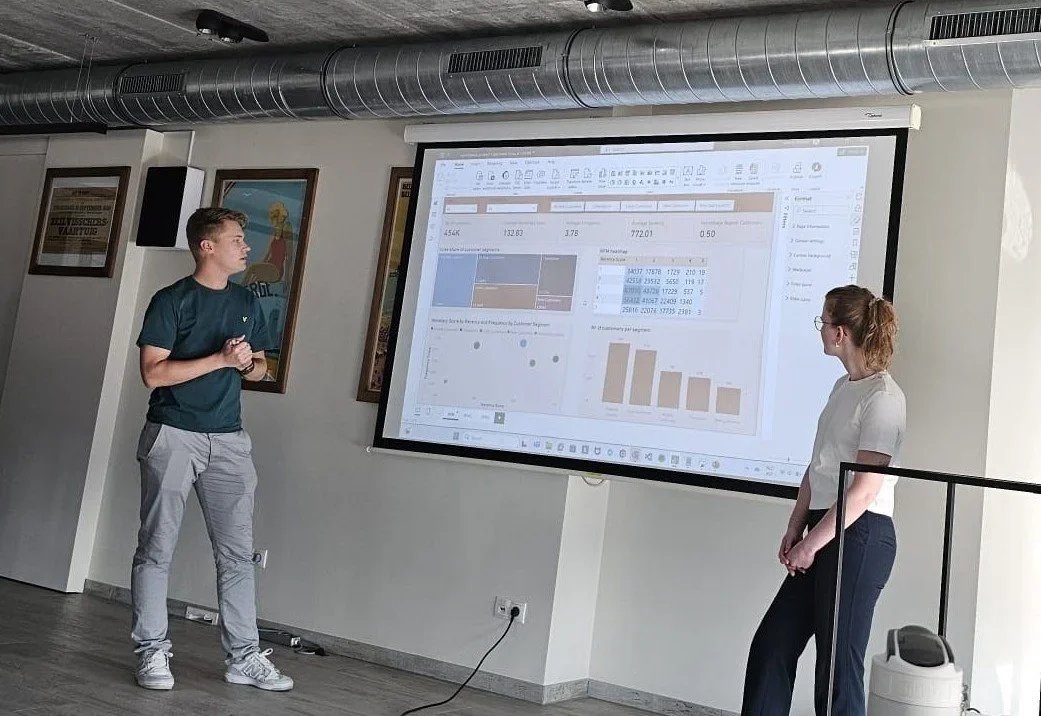
The academy ended with a "workation" at De Haan, a few days that combined work with a vacation-like setting. We applied everything we had learned to a customer use case and prepared a final presentation. On the last day we presented our solution, got feedback from our colleagues, and celebrated finishing the academy with our peers.
Beyond the Academy: DataMinds Connect
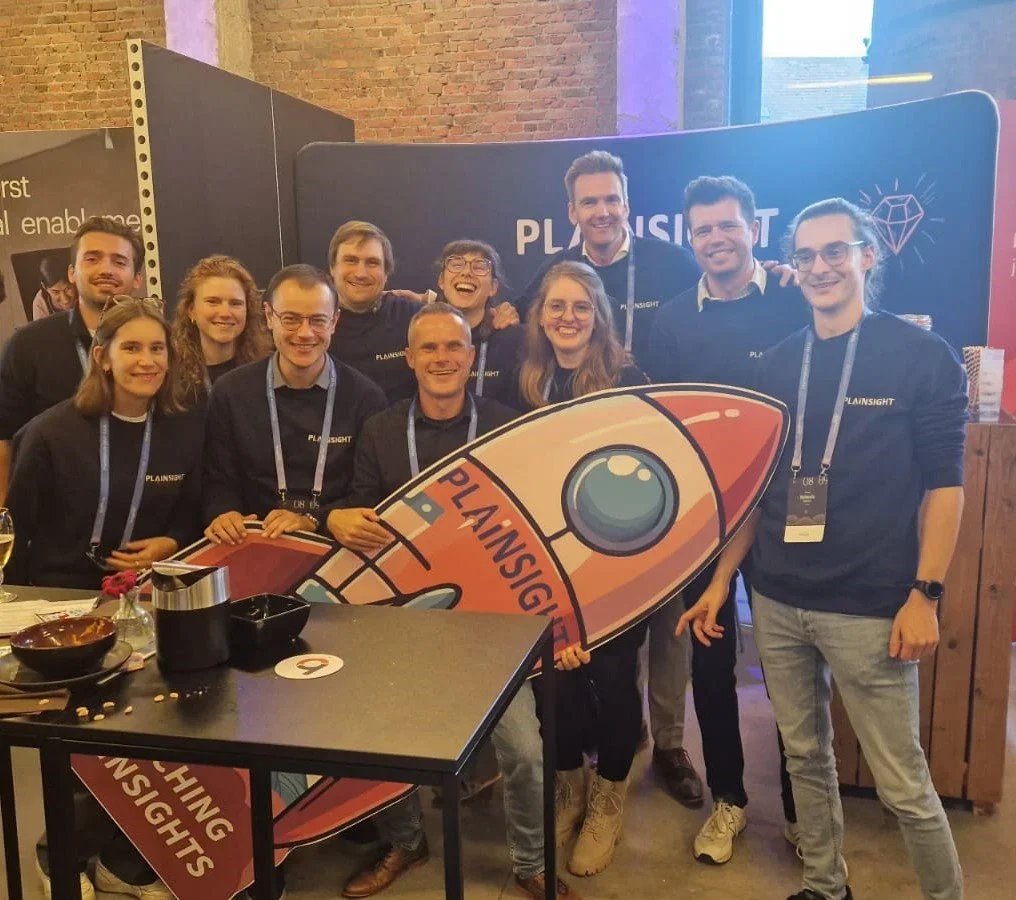
As a closing bonus, we attended DataMinds Connect, a three-day event that brought together international experts on a wide variety of topics. Fresh perspectives from industry professionals, right when we had enough context to appreciate them.
The academy gave us a solid technical foundation and a customer-centric mindset that will stay with us throughout our careers. From data modeling and warehousing to AI and cloud platforms, we feel ready to take on complex business challenges. And this is only the start.
Wrap up
At Plainsight, continuous learning and collaboration are part of how the company works. Whether you're a recent graduate, an experienced professional, or a student looking for an internship, you'll find a dynamic environment where knowledge sharing is a core value.
Come meet us at upcoming job and internship fairs, or reach out online. We'd like to show you what the work looks like, from hands-on training to career development.
Want to implement this in your workflow, too?
Jana Vangansbeke
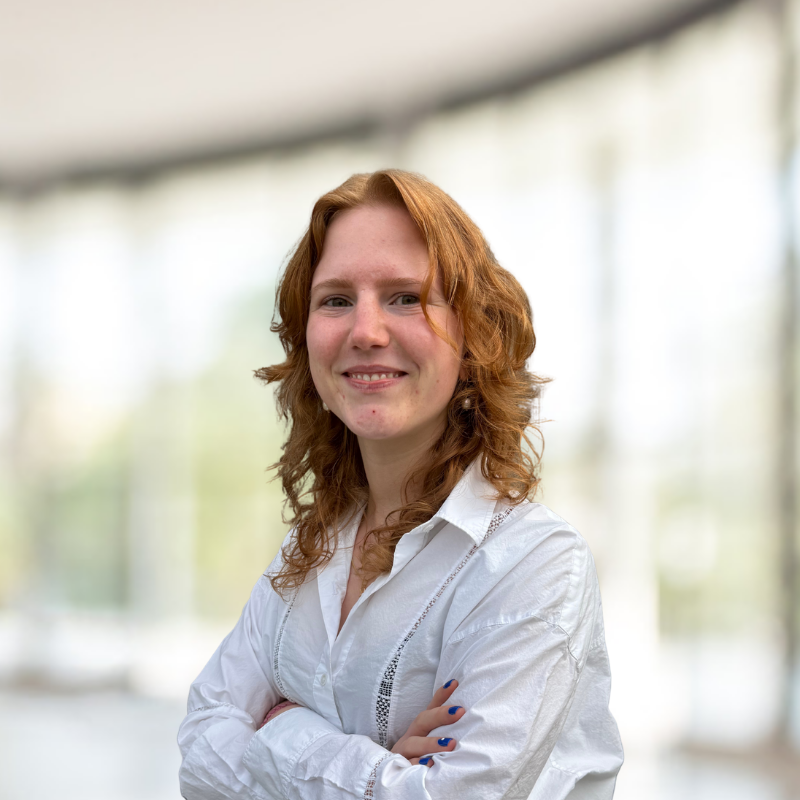
Jana graduated in Business Engineering with a Data Analytics specialization from Ghent University. She builds dataflows, datasets, and Power BI reports across sales, marketing, and operations. She's the kind of person who enjoys a good pattern in data the way other people enjoy a good trail on a hike.
Lennert Verhoie
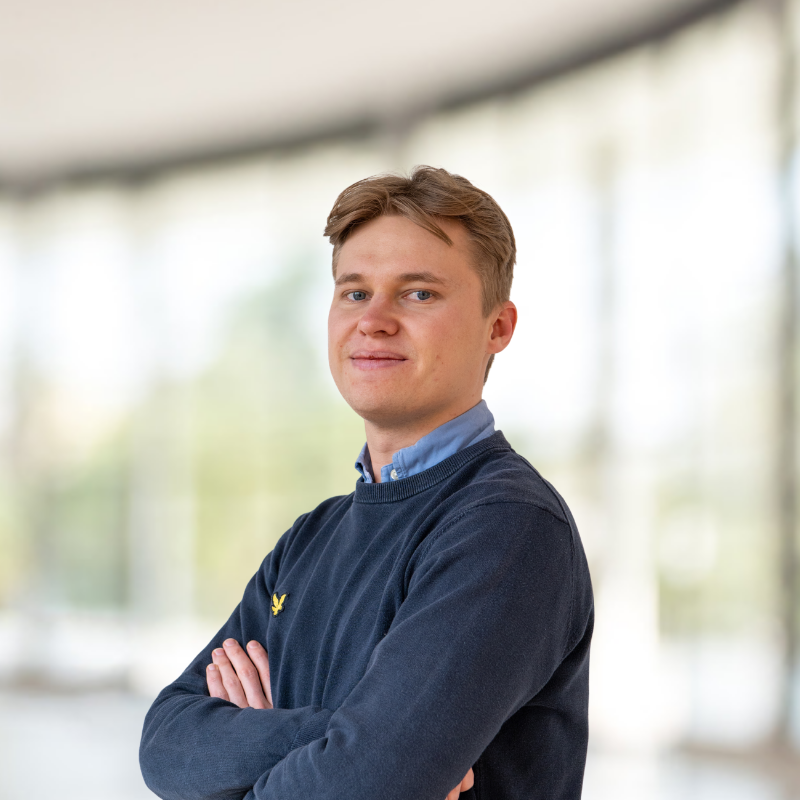
Lennert studied Business Engineering at Ghent University with a specialization in Data Analytics. He works end-to-end in Power BI and Microsoft Fabric, from data ingestion and modeling to visualization. He approaches problems with the kind of logical structure you'd expect from someone who once canoed the Swedish-Norwegian border with friends.